
Inspirations
Should Lecturers Encourage Students to Use E-Books?
Dec
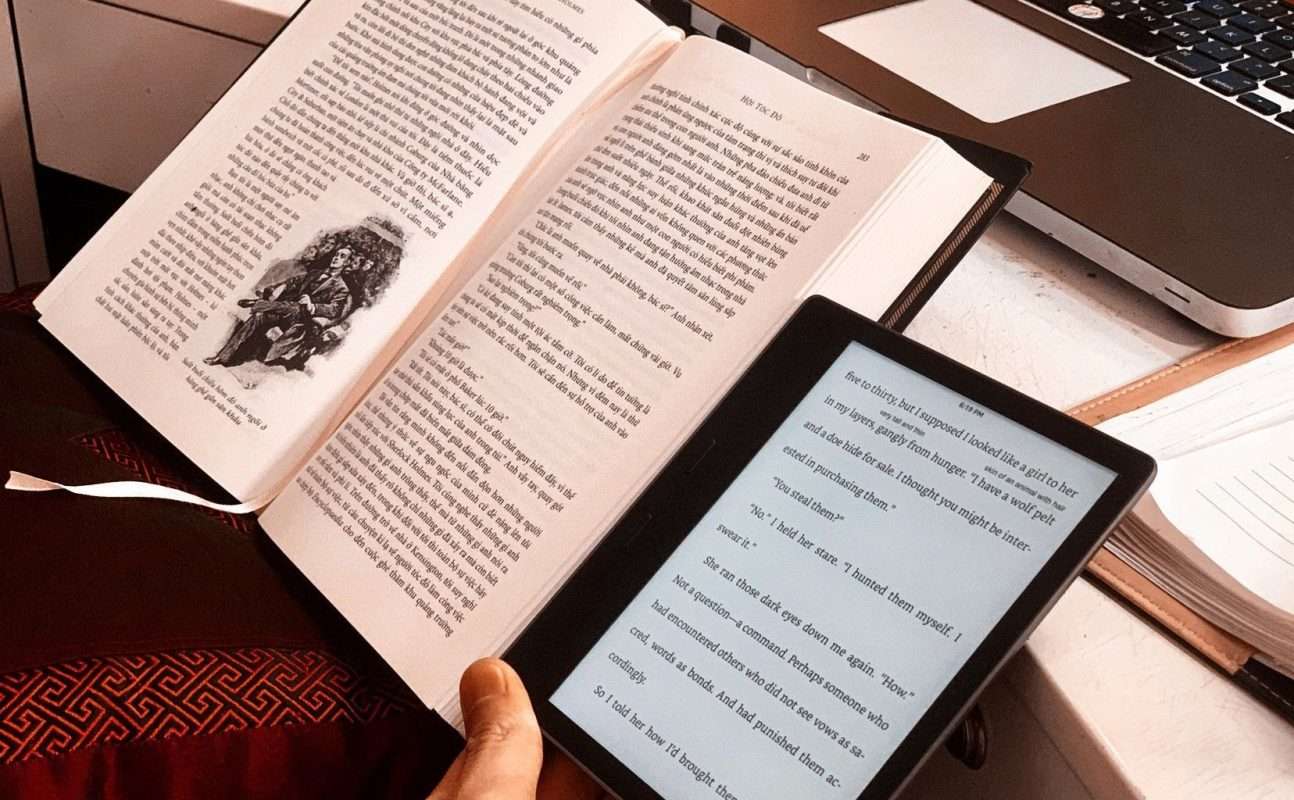
The way students learn has changed dramatically over the past decade. With the rise of digital technology, traditional printed textbooks are no longer the only option in education. E-books are becoming increasingly popular among university students thanks to their convenience and accessibility. This raises an important question for educators: Should lecturers actively encourage students to use e-books?
This article explores the advantages, potential drawbacks, and practical strategies for integrating e-books into higher education.
1. Why E-Books Are Gaining Popularity Among Students
E-books are no longer just a trend; they have become an essential learning tool. Students prefer e-books for several reasons:
- Portability: Hundreds of books can be stored on a single device.
- Lower cost: Digital versions are often cheaper than printed textbooks.
- Instant access: Students can download materials anytime, anywhere.
- Search and highlight features: Finding key information is faster and easier.
- Environmentally friendly: No paper, no physical waste.
These benefits make e-books especially appealing to modern students who value efficiency and flexibility.
2. How E-Books Can Improve Learning Outcomes
Encouraging the use of e-books can positively impact students’ learning experiences:
- Better study organization: Notes, highlights, and bookmarks help students review content more effectively.
- Improved engagement: Interactive features such as hyperlinks, quizzes, and multimedia increase interest.
- Faster information retrieval: Students save time by searching keywords instead of flipping pages.
- Support for different learning styles: Visual, auditory, and reading-based learners all benefit from digital tools.
3. Common Concerns from Lecturers
Despite their advantages, some lecturers hesitate to recommend e-books because of:
- Screen fatigue: Long reading sessions on devices may cause eye strain.
- Distractions: Students might switch from studying to social media.
- Unequal access to devices: Not all students own tablets or laptops.
These concerns are valid, but they can be addressed with thoughtful guidance.
4. How Lecturers Can Encourage Responsible E-Book Use
Instead of replacing printed books entirely, lecturers can adopt a blended approach:
- Recommend e-books as supplementary materials alongside printed textbooks.
- Share tips on digital note-taking and focus management.
- Encourage students to use night mode and blue-light filters to reduce eye strain.
- Provide a list of trusted e-book resources or platforms.
This balanced strategy allows students to enjoy the benefits of e-books while minimizing drawbacks.
You May Like: Prebles’ Artforms, 11th Edition (PDF Download)
So, should lecturers encourage students to use e-books? The answer is yes — with guidance.
E-books offer flexibility, affordability, and powerful learning tools that match the needs of today’s students. When used responsibly, they can significantly enhance study efficiency and academic performance.
By promoting smart e-book usage, lecturers not only modernize their teaching methods but also prepare students for a digital future where lifelong learning is just one click away.
👉 “Looking for affordable study ebooks? Explore our collection of student-friendly PDFs designed to save you both time and money.” 👉 Please visit: High quality cheap ebooks
You may like:
- 10 Easy Ways to Improve Your Writing Skills
- How to Be a Better Writer: The Best Resources and Tips to Improve Your Writing
- The Convenience of Learning Using E-Books
- How to Properly Organize the Learning Process
- Thinking Of Starting A Career In The Healthcare Industry? Here’s Some Important Advice
- Are You A College Student Who Needs A Job? Here’s What You Need
- 10 Ways To Have Better Conversations
- 4 Different Learning Styles Every College Student Should Use
- How To Better Handle Your College Application With A Few Pointers
- Learn with an E-Book
- 6 Ways To Fund Your College Education
- The Importance of a Structured Approach to Learning
- Can You Write College Papers Using AI?
- Why We Use ClickBank for Secure Payments
- Part-Time Jobs for University Students: How to Earn Extra Income Without Affecting Your Studies
- AI Helps Learning Today: How Artificial Intelligence Supports Modern Education
- What Should Students Read Beyond Textbooks to Improve Soft Skills?
- Do Ebooks Really Help Save on Study Costs?
- Boost Memory Retention with Better Sleep: The Ultimate Guide
- The Progression of Education: Unmatched Convenience and Effectiveness of Online Learning
